
Background and Trigger Event
On April 22, 2025, India suspended its participation in the 1960 Indus Waters Treaty (IWT) with Pakistan, citing national security concerns following a deadly attack in Kashmir’s Pahalgam valley. The assault, attributed to The Resistance Front, resulted in 26 fatalities, primarily Hindu tourists. India accused Pakistan of orchestrating the attack through its military and intelligence agency, ISI, leading to heightened tensions between the two nations.
Immediate Actions by India
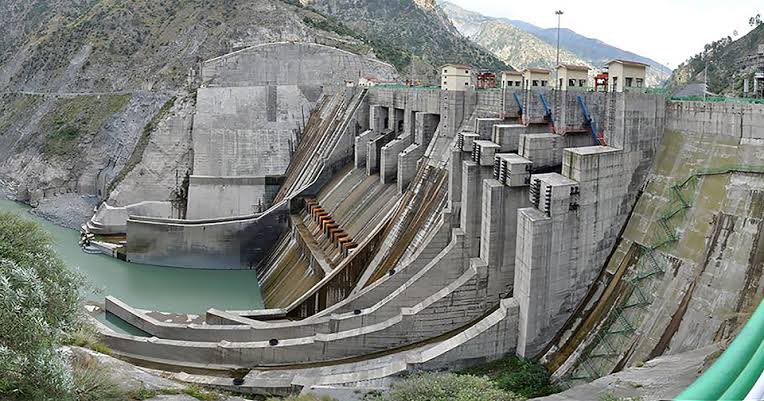
The aftermath, India initiated sediment-flushing operations at the Salal and Baglihar hydroelectric projects in Jammu and Kashmir to increase reservoir capacity. These actions, undertaken without notifying Pakistan, mark a departure from the treaty’s stipulations. While these measures do not immediately affect Pakistan’s water supply, they set a precedent for potential future disruptions.
Pakistan’s Response
Pakistan has strongly condemned India’s suspension of the IWT, labeling it a violation of international law and an act of war. The National Security Committee (NSC) of Pakistan announced retaliatory measures, including the closure of the Wagah-Attari border and the expulsion of Indian diplomats. Pakistan also plans to formally notify India of its objections and is considering legal action through international forums.
Implications for Water Security
The IWT has historically governed the distribution of the Indus River system’s waters, with Pakistan relying heavily on the western rivers for agriculture and electricity. India’s suspension of the treaty grants it greater freedom to develop hydroelectric projects on these rivers, potentially impacting Pakistan’s water supply. Experts warn that such actions could lead to water scarcity and agricultural challenges in Pakistan.
Geopolitical Considerations
The suspension of the IWT has broader regional implications, potentially affecting India’s relations with other neighboring countries and international stakeholders. The move has drawn criticism from various quarters, with concerns about the potential for escalating conflicts and undermining regional stability.
Conclusion
India’s suspension of the Indus Waters Treaty represents a significant shift in bilateral relations with Pakistan, with potential long-term consequences for regional stability and water security. Both nations face the challenge of navigating this complex issue to prevent further escalation and to seek a peaceful resolution.