
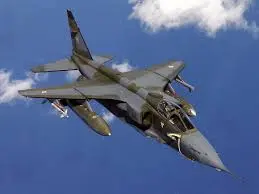
On 9 July 2025, a Jaguar fighter aircraft of the Indian Air Force crashed near Bhanoda village in Churu district of Rajasthan at approximately 1:25 pm. This tragic incident marks the second major Jaguar mishap in just three months, intensifying concerns over the safety and operational readiness of India’s ageing combat fleet.
Incident Overview
According to defence sources, the SEPECAT Jaguar went down in an open agricultural field away from residential areas. Rescue teams, including IAF personnel and local police, rushed to the site to secure the area. Initial reports suggest that human remains were recovered from the debris, indicating that the pilot could not eject safely. Official confirmation of the pilot’s identity and status is still awaited as the Indian Air Force has begun its standard investigation protocol.
Previous Jaguar Crashes
The Jaguar fleet has witnessed multiple incidents in recent years, highlighting growing concerns regarding its operational safety. In March 2025, a Jaguar crashed in Panchkula, Haryana, where the pilot ejected safely. In April 2025, another Jaguar went down during a night training sortie near Jamnagar, Gujarat, leading to the death of one pilot while the other survived with serious injuries. The current crash near Churu is the third such incident involving Jaguars in four months.
Ageing Fleet and Maintenance Challenges
The SEPECAT Jaguar has been in active service with the IAF since the late 1970s. Despite upgrades such as DARIN III avionics and AESA radars, the airframes and engines are reaching the end of their designed operational life. Maintenance has become increasingly challenging due to limited spare parts availability and the structural fatigue that comes with decades of service. The Indian Air Force has planned to gradually retire the oldest Jaguars by 2031 and replace them with indigenous platforms like the HAL Tejas Mk1A.
Safety and Operational Concerns
Defence analysts have repeatedly pointed out that the continued operation of these ageing jets poses significant risks. Constraints include structural integrity issues, outdated onboard systems despite upgrades, and stretched training protocols due to the transitional phase between old and new platforms. Eyewitnesses reported thick black smoke rising from the crash site soon after impact, raising the possibility of onboard fire or fuel ignition at the time of the crash. Firefighters and emergency response teams managed to contain the blaze and secure the wreckage to prevent further hazards.
Inquiry and Official Response
The Indian Air Force has launched a formal Court of Inquiry to determine the cause of the crash, which could include technical malfunction, pilot error, or environmental factors such as bird strikes. The investigation will analyse maintenance records, flight data, and eyewitness accounts to establish a clear timeline of events. Results from the inquiry are expected in the coming weeks.
Broader Implications
This crash has reignited the debate on India’s dependence on legacy military aircraft. Defence experts are urging accelerated induction of newer platforms to replace ageing fleets and minimise operational risks. Meanwhile, IAF officials maintain that comprehensive safety audits, rigorous pilot training, and modernisation programmes are being implemented to ensure operational readiness and pilot safety.
Conclusion
The IAF Jaguar crash near Churu, Rajasthan, underscores the urgent need for legacy fleet modernisation to safeguard pilot lives and maintain national security readiness. As the inquiry progresses, it will reveal whether this was an isolated malfunction or a reflection of deeper systemic challenges within the fleet management framework.